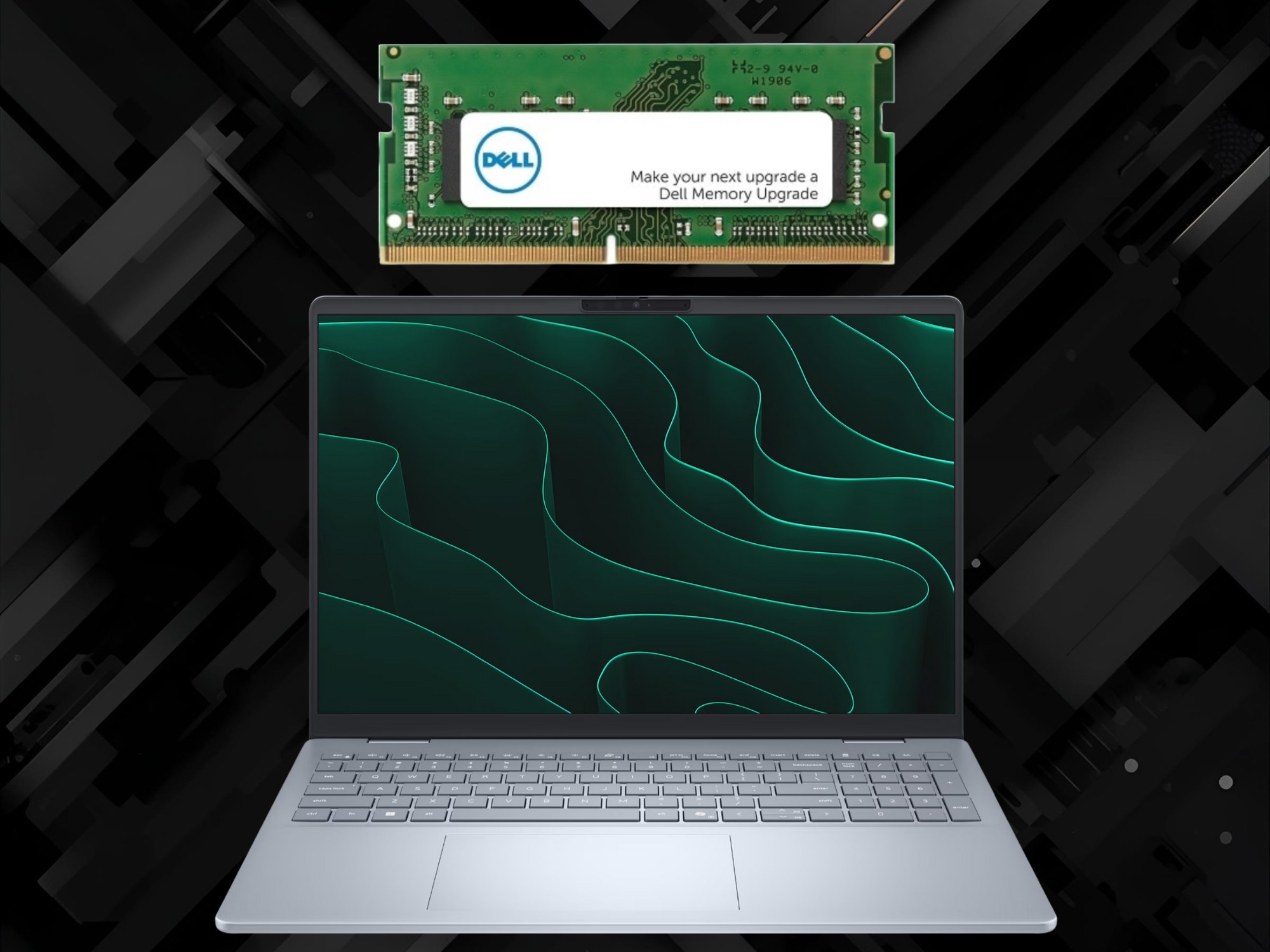
With DDR5 RAM prices skyrocketing, some mid-range laptops could soon ship with budget-level specs. TrendForce expects companies like Dell and Lenovo to stock more notebooks with 8GB of memory. These reasonably priced options may no longer handle intense office and gaming tasks.


Does midrange being at 8GB mean that entry level will be 4GB? because I know corpos are gonna be corpos.
(I don’t think windows even run at 4GB lmfao)
Edit: Also, this RAM shortage might force people to use Linux 😁
Im really surprised Microsoft hasn’t already come out with a chrome-os like neutered version of windows specifically for this.
They did for education purposes.
Seems to me like there will be a split. A lot of critical thinkers that are frugal will move to Linux and up its market-share, but there will also be a lot of deals that companies make with cloud computing platforms as well for their employees instead of purchasing new laptops (which will probably also allow them to cut back on their IT staff).
Those that are still lost when it comes to tech from 20 years ago will also buy into cloud compute platforms just because they use it at work and can’t be arsed to learn something slightly different.
Yeah, this could spell the end for local installs of Microsoft office. Gdocs and o365 for everyone. Not sure if thats a win or loss.
I see it wholly as a loss, because it advances the idea of subscriptions for anything and everything, and Microsoft will be right there on the front lines taking advantage of the new revenue stream (so losing local installs won’t hurt them at all and is what they’re going for).
I wonder how long it will take before people realize it’s cheaper to own your own hardware than lease compute time from a cloud provider? I’ve seen this same cycle with cloud VMs, I expect this will be no different.
They won’t, ever. Not the general public, at least. Most are still perfectly content and onboard with paying for 10 different streaming services for music/movies/TV. Only immediate numbers mean anything, and $5/mo is better than $10 once, simply because 10 is larger than 5. Plus, look at all this extra shit I didn’t want that is included!
With cloud computing you get someone (or at least some entity) to blame when things go wrong which apparently has some value too. Also, if you don’t need a lot of resources cloud can be cheaper than setting up whole infrastructure by yourself, but that has a ton of variables. Plus with cloud there’s often option for colocation/high availability/ddos protection and other stuff around which can be pretty expensive to build yourself.
Obviously if you try to shoehorn your current modrate sized esx/hyper-v/whatever environment to the cloud as is, that’s going to be expensive.
Yeah, my experience has been in the MSP space for small to medium companies. We’ve had tons of customers forego upgrading local hardware to go to a cloud provider, then have to do it in reverse a few years later when they realize they’ve already paid out the cost of their hardware and licensing agreement in hosting costs, and still have to keep paying to run the same systems.
Windows 11 can run on 4GB. That’s the minimum for the listed requirements, and the other day, I saw Best Buy selling a 4GB model, and I see some systems for sale online. I would imagine that it’s not ideal.
Even on an 8gb or 16gb system Windows uses over 4gb on a fresh boot. At 4gb it’s going to be swapping to fish non-stop. The disk will be thrashed and be dead in a year of use.
That ‘can’ does a hell of a lot of heavy lifting. But then again, it says Windows can run in 4GB, it doesn’t say anything about your apps.
If I recall that 4GB min on win11 is explictedly with no applications. Including browsers.
It’s only the os.
Windows 11 for me boots using around 7GB. Open a heavy browser tab or two and you’re page thrashing next. I can’t use a computer like that.
I have seen a few of them. Yes they are bad. Basically idles at 85% memory usage on the desktop with nothing open.
Windows going Vista again